• Sleep Optimization: Hacks for Deeper Rest and Recovery

    Good quality sleep is the foundation of holistic health, yet many Indians face challenges due to stress, lifestyle, and environment. As a health coach dedicated to empowering wellness, I understand how crucial restful sleep is for physical recovery, mental clarity, and emotional balance. Here are practical hacks, along with the latest tech and natural remedies, to optimize your sleep and wake up refreshed every day.

    Why Sleep Matters?

    Sleep is when the body repairs tissues, strengthens the immune system, and consolidates memories. Poor sleep disrupts metabolism, elevates stress hormones, and makes us vulnerable to diseases like diabetes, heart conditions, and depression. For Indian professionals, students, and homemakers juggling busy schedules, prioritizing sleep can be transformative.

    Hacks for Better Sleep

    • Consistent Sleep Routine: Wake and sleep at the same times daily, including weekends. Your body loves rhythm and this sets your internal clock.
    • Limit Screen Time Before Bed: Blue light from phones and TVs tricks the brain into thinking it’s daytime. Avoid using gadgets 60 minutes before bedtime or use blue light filters.
    • Create a Sleep-Friendly Environment: Keep your bedroom dark, quiet, and cool. Use thick curtains or eye masks to block light and consider earplugs if noise is an issue.
    • Avoid Heavy Meals/Oilty Foods Late Night: Indian dinners often contain rich foods. Instead, opt for light, easily digestible meals to prevent indigestion.
    • Deep Breathing or Meditation: Calm your nervous system with simple breathwork exercises or mindfulness meditation before sleep.

    Latest Gadgets for Sleep Optimization

    Modern technology offers helpful sleep aids tailored to Indian lifestyles:

    • Smart Sleep Trackers: Devices like Fitbit or Mi Band monitor sleep stages and provide daily insights to improve habits.
    • White Noise Machines: These devices play soothing sounds like rain or forest ambiance, masking disruptive noises.
    • Weighted Blankets: Inspired by therapeutic techniques, these blankets provide gentle pressure which may improve relaxation and reduce anxiety.
    • Smart Lighting: Adjustable lights mimic sunrise and sunset patterns to gently wake you up and prepare your body for sleep.

    Natural Remedies to Support Rest

    Indian traditions have a treasure trove of natural aids:

    • Herbal Teas: Chamomile, tulsi, and valerian root teas are calming and promote sleep.
    • Warm Milk with Turmeric: A classic remedy known to relax the body.
    • Aromatherapy: Essential oils like lavender or sandalwood have been used for centuries to soothe the mind.
    • Ayurvedic Practices: Abhyanga (oil massage) using sesame or coconut oil before bed helps in calming the nervous system.

    Final Thought

    Optimizing sleep is not merely about quantity but quality and routine. Small, mindful changes combined with the smart use of technology and time-tested natural remedies can deepen your rest and supercharge your well-being. As your health coach, I encourage you to treat sleep as sacred—it’s your body’s best recovery tool.

    Sleep well and thrive!

  • Sustainable Wellness Routines: Easy Steps for a Healthier and Greener Life

    Do you want to feel healthy, full of energy, and do good for the Earth at the same time? Welcome to the world of sustainable wellness routines. In simple words, it means living in a way that keeps your body and mind healthy while also protecting nature. This blog will show you how small, daily habits can help you, your family, and even the planet.

    What is Sustainable Wellness?

    Sustainable wellness is about making choices that are good for your health and also good for the world. In India, our traditions teach us to respect nature, take only what we need, and care for our surroundings. Now, with pollution, waste, and stress rising, it is even more important to follow habits that are healthy, simple, and good for the environment.

    How to Start a Sustainable Wellness Routine

    Anyone can start! Here are a few easy ideas:

    1. Eat Local and Seasonal Food

    Instead of buying packed and imported food, choose fruits, vegetables, and grains that are grown locally. Seasonal food is fresher, tastier, and full of nutrition. You also help local farmers when you buy their produce.

    2. Drink Water the Eco-Friendly Way

    Carry a refillable steel or copper bottle. This saves money, keeps you away from harmful plastics, and reduces waste in the environment.

    3. Move Your Body Naturally

    Walking, cycling, and using the stairs are simple ways to keep your body fit and reduce pollution. Instead of fancy gym equipment, use your own body weight for simple exercises like squats, push-ups, and yoga.

    4. Cut Down on Waste

    Say no to single-use plastics, polythene bags, and unnecessary packaging. Take your own cloth bag for shopping. Start composting kitchen waste. When you produce less garbage, the earth breathes a little easier.

    5. Prioritise Mind Wellness

    Your mind also needs care. Practice deep breathing, meditation, or simply spend a few quiet minutes in nature daily. Switch off your phone sometimes. Mental peace is as important as physical health.

    Make It a Family Habit

    Sustainable wellness is not only for you. Make it a family goal! Cook together using simple, healthy ingredients. Plan a walk with your parents every evening. Teach kids to water the plants or recycle paper. When the whole family joins, these habits become easy and fun to follow.

    Motivation for Your Sustainable Journey

    Remember, big changes start with small steps. Don’t try to change everything in a day. Pick one or two habits and keep improving. Celebrate your progress, and soon these will become your way of life.

    The earth is our only home, and our body is our only vehicle. Caring for both is the real meaning of wellness.

    Ready to Begin?

    Start your sustainable wellness journey today. Share your progress with friends and inspire them too. For a personal wellness plan or support, connect with health coach Versha Raghav and take the next step towards a healthier and greener life!

    Let’s make wellness and nature-friendly living viral in India – one step at a time.

  • Weight Loss After 30: Why Traditional Diets Stop Working

    Hitting your 30s feels like a new chapter in life. You’re wiser, more confident, and juggling multiple roles — career, family, kids, social life. But for many, this is also when weight loss suddenly feels harder than ever. That diet which helped you drop kilos in your 20s now barely makes a difference.

    So why does this happen? And more importantly, what actually works after 30? Let’s break it down. 🌿


    🔸 Why Weight Loss Slows After 30

    1. Slower Metabolism – After 30, muscle mass naturally starts to decline, and with it, your metabolism. This means you burn fewer calories even when you’re not doing anything.
    2. Hormonal Changes – For women, estrogen and progesterone fluctuations can lead to weight gain, especially around the belly. For men, testosterone levels may drop, slowing fat loss.
    3. Stress & Sleep – Late nights, workload, and family stress increase cortisol (the stress hormone), which directly leads to fat storage.
    4. Lifestyle Choices – Less activity, more screen time, eating out, and processed foods all add up.

    🔸 Why Traditional Diets Stop Working

    👉 Skipping Meals – Many think eating less means losing weight. In reality, skipping meals slows metabolism further and makes you binge later.
    👉 Crash Diets – Diets that promise 5kg loss in a week often deplete water and muscle, not fat. The weight always comes back.
    👉 Fruit-Only or Liquid Diets – Fruits are healthy, but too much fruit = sugar overload. Similarly, only juices/soups leave you nutrient-deficient.
    👉 “One Size Fits All” Plans – Your body at 30+ needs a personalized approach, not generic diets from the internet.


    🔸 What Actually Works After 30?

    Here are real, practical steps you can start today:

    1. Balanced Plate Every Meal

    Follow the ½ + ¼ + ¼ rule:

    • ½ plate: Veggies & salad (fiber, vitamins, minerals)
    • ¼ plate: Protein (dal, paneer, fish, chicken, eggs, chana)
    • ¼ plate: Complex carbs (roti, brown rice, millet, oats)
      Add 1 tsp ghee or handful of nuts/seeds for healthy fats.

    2. Prioritize Protein

    After 30, protein is your best friend. It helps preserve muscle, keeps you full, and boosts metabolism.
    Add: Moong dal, rajma, chickpeas, paneer, eggs, curd, lean meats.

    3. Strength Training + Movement

    Walking is good, but not enough. Build muscle with:

    • Squats, planks, push-ups (home workouts work!)
    • Yoga flows with strength postures
    • 20–30 mins, 4–5 days a week

    4. Support Hormones Naturally

    • Seed Cycling: Flax & pumpkin seeds in first half of cycle, sunflower & sesame in second half.
    • Add leafy greens, cruciferous veggies, herbal teas (spearmint, green tea).

    5. Fix Sleep & Stress

    • Sleep 7–8 hrs daily. Lack of sleep = sugar cravings + belly fat.
    • Stress-busting rituals: meditation, journaling, evening walk, or prayer.

    6. Hydrate Smartly

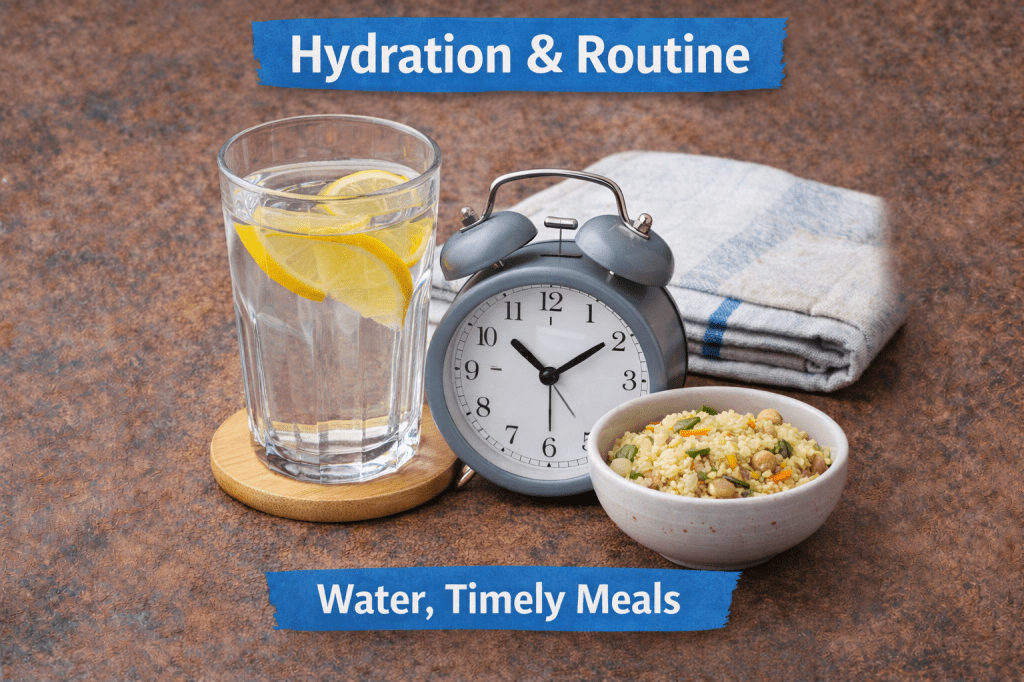
    Replace sugary chai, sodas, and packaged juices with plain water, coconut water, or detox herbal teas.


    🔸 The Mindset Shift You Need

    Weight loss after 30 is not about punishment or starving yourself. It’s about respecting your body.
    ✨ Think: “How can I nourish myself today?” instead of “How can I eat less today?”

    Consistency matters more than perfection. Even small, sustainable changes create big results over time.


    Final Note from Health Coach Versha Raghav

    Dear friend, if you’re struggling to lose weight after 30, remember this — it’s not your fault. Your body is simply changing and asking for a new approach.

    With the right food, smart workouts, and lifestyle shifts, you can absolutely:
    ✅ Boost metabolism
    ✅ Balance hormones
    ✅ Lose stubborn weight
    ✅ Regain energy & confidence

    Don’t chase fad diets. Instead, focus on small daily changes that bring long-term results.

    👉 If you’re ready to take the guesswork out of your journey, I’d love to help you with a personalized coaching plan designed for your unique body and lifestyle.

    Because your 30s (and beyond) can be the healthiest, most powerful years of your life.

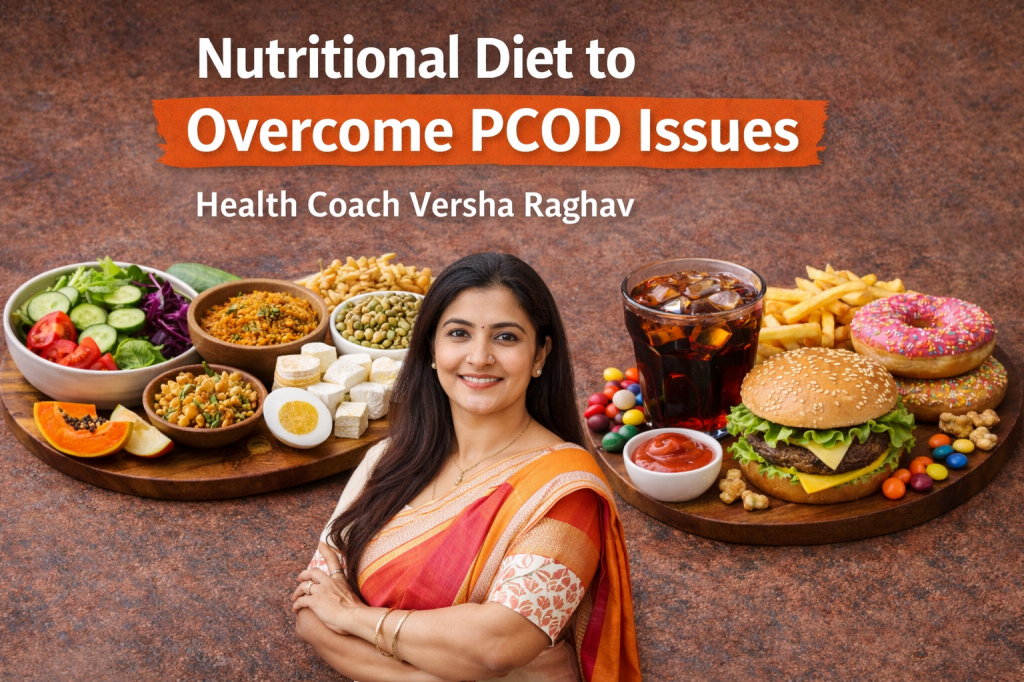
  • PCOD Diet Myths Busted: What to Eat and What to Ditch in 2025

    Living with PCOD (Polycystic Ovarian Disease) can often feel overwhelming. With so much information (and misinformation) floating around, many women end up confused about what to eat and what to avoid. In 2025, it’s time to finally separate the myths from the facts and take charge of your health with clarity and confidence.

    ❌ Myth 1: “Carbs are your enemy”

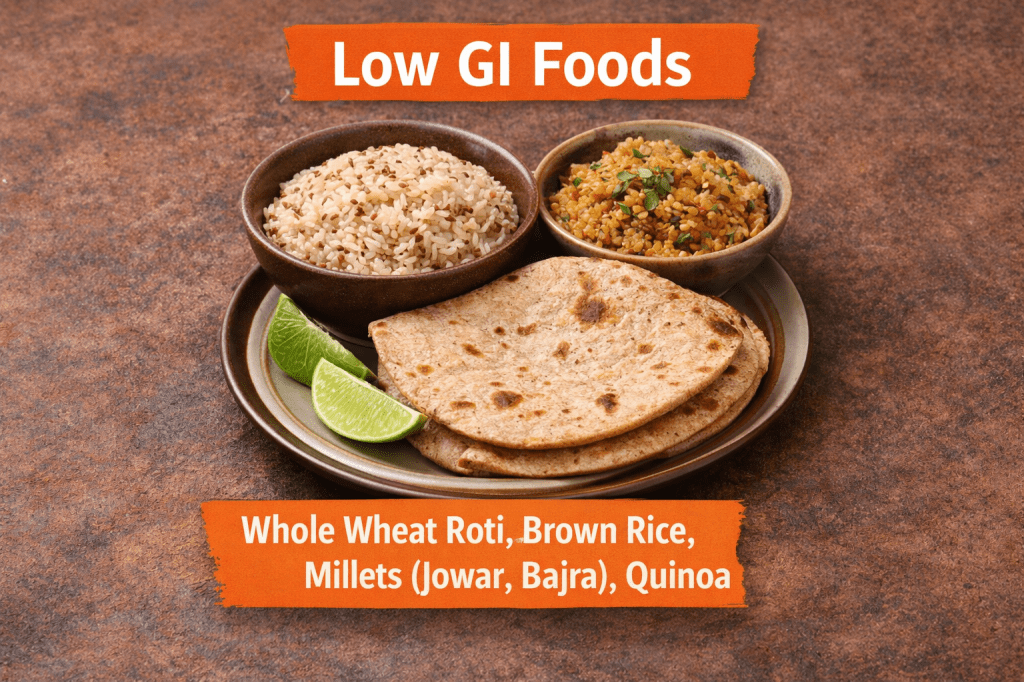
    Truth: Carbs are not the villain. What matters is the type of carbs you eat. Refined carbs like white bread, maida, pastries, and sugary snacks can spike insulin levels and worsen PCOD symptoms. But complex carbs like brown rice, jowar, bajra, quinoa, and whole wheat roti provide steady energy and help in balancing hormones.

    ❌ Myth 2: “Dairy must be completely avoided”

    Truth: Not every woman with PCOD needs to eliminate dairy. While some women feel bloated or notice acne flare-ups with milk or paneer, others tolerate it just fine. The key is to listen to your body. Prefer low-fat, hormone-free options like homemade curd, toned milk, or paneer in moderation.

    ❌ Myth 3: “Fats make you gain weight”

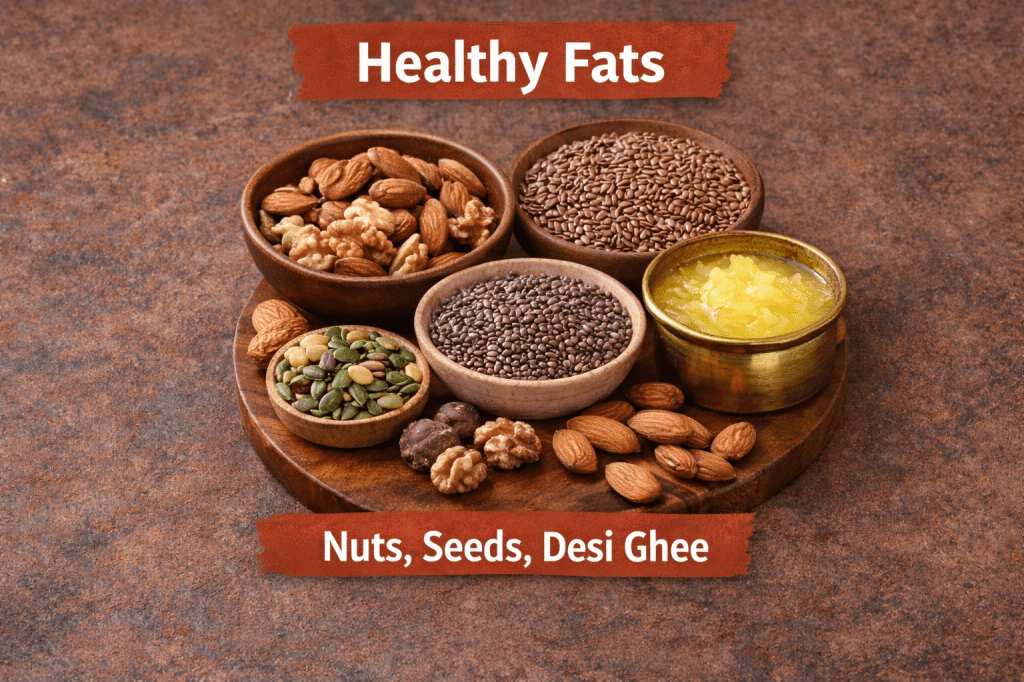
    Truth: Healthy fats are actually your friend! Foods like nuts, seeds, avocados, and cold-pressed oils improve insulin sensitivity and support hormone balance. It’s the fried and processed fats you need to ditch. Think: swap samosas and chips for a handful of almonds and pumpkin seeds.

    ❌ Myth 4: “PCOD diet means giving up Indian food”

    Truth: Indian meals can be PCOD-friendly and healing when prepared the right way. A simple plate of dal, roti (multigrain), sabzi, salad, and a spoon of ghee is nourishing, balanced, and far better than packaged ‘diet foods.’


    What to Eat More Of in 2025

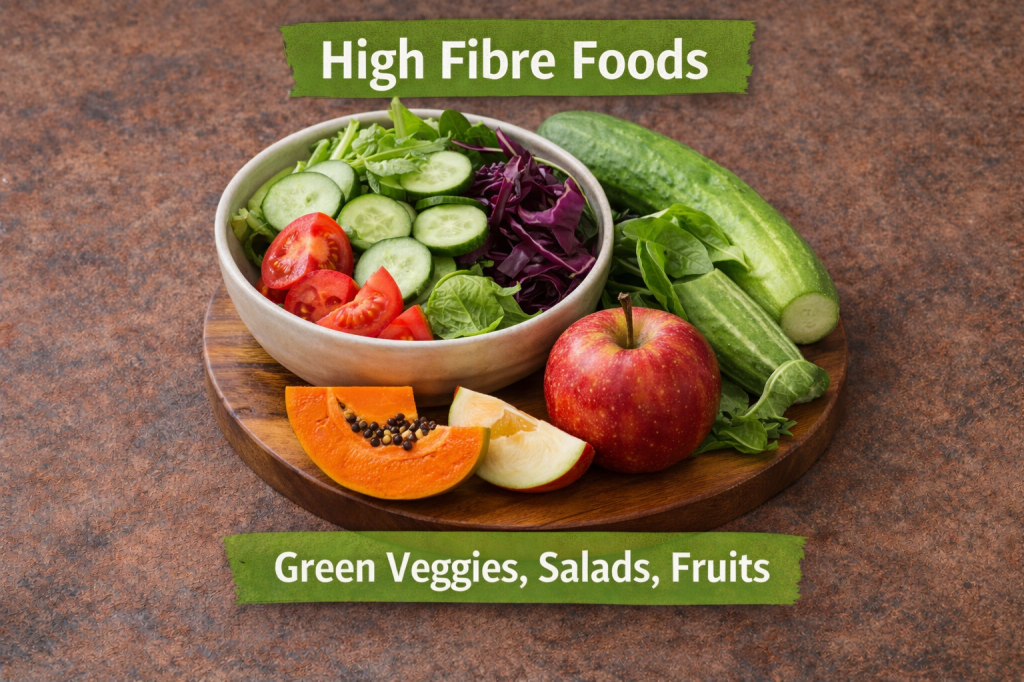
    • Fresh fruits (papaya, apple, berries, guava)
    • Vegetables (especially leafy greens & cruciferous veggies)
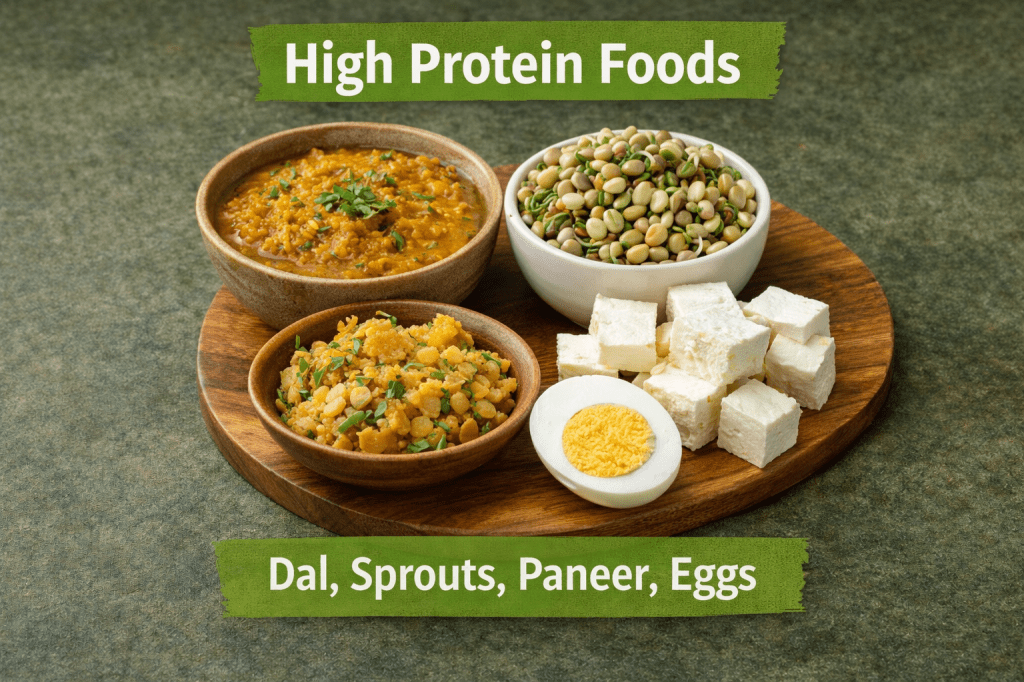
    • Lean proteins (moong dal, chana, eggs, fish, paneer)
    • Seeds (flax, pumpkin, sunflower, sesame)
    • Herbal teas (spearmint tea is wonderful for PCOD!)

    What to Ditch in 2025

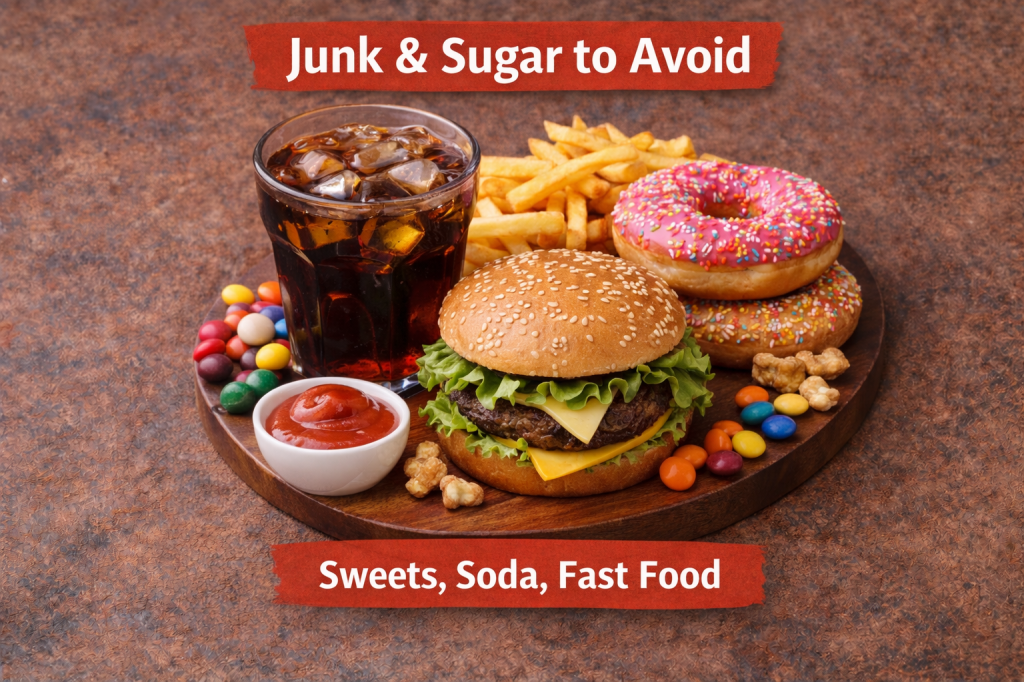
    • Sugary drinks, packaged juices, soda
    • Refined flour & fried snacks
    • Excessive sugar-loaded “diet” products
    • Highly processed ready-to-eat meals

    Final Note

    Dear women, PCOD does not define you. With the right food choices, patience, and self-love, you can bring your hormones back into balance. Don’t blindly follow every “trend diet” — instead, focus on simple, wholesome eating that your body resonates with.

    Remember, your plate is not about restrictions, it’s about healing and empowerment.

  • How to Reset Your Metabolism Naturally in 21 Days (No Crash Diets, No Pills—Just Real Change)

    Have you ever felt like you’re doing everything right—eating less, working out more—but your weight just won’t budge? Or maybe your energy crashes by afternoon, your digestion feels sluggish, and even getting out of bed feels like a task?

    You’re not alone.
    And no—you’re not broken.
    Your metabolism just needs a gentle, natural reset.

    As a Health Coach who’s worked with hundreds of women across India struggling with weight loss, PCOD, and hormonal imbalances, I’ve seen this story far too often. But here’s the good news:

    You can reignite your metabolism in just 21 days—without starving, without extreme workouts, and without fad diets.

    Let me walk you through it.


    What is Metabolism, Really?

    Your metabolism is how your body converts food into energy.
    Think of it like your body’s inner engine. But due to stress, poor eating habits, hormonal issues, lack of sleep, or simply age—it starts slowing down.

    But just like a machine, it can be re-tuned.
    You just need the right rhythms, nourishment, and movement.


    The 21-Day Natural Metabolism Reset Plan

    Let’s break it into 3 simple phases:

    Week 1: Cleanse & Calm Your System

    Goal: Remove what’s slowing you down.

    • 🌿 Start your day with warm water + lemon or jeera water
    • 🍽️ Eliminate sugar, packaged snacks, and late-night eating
    • 🫗 Add 1 detox drink daily — like ajwain saunf water or green juice
    • 🛌 Prioritize deep sleep — aim for 7-8 hours minimum
    • 🚶‍♀️ Daily Movement: 20-minute morning walks or gentle yoga

    💚 Supportive Tip: Be kind to yourself. You’re not punishing your body. You’re helping it heal.


    Week 2: Nourish & Activate

    Goal: Fuel your body with real, metabolism-boosting foods.

    • 🍛 Focus on whole Indian meals — dal, sabzi, roti made with millets, ghee, seasonal fruits
    • 🥗 Add protein to every meal — paneer, dals, curd, sprouts
    • 💧 Hydration boost: Add herbs like tulsi, mint or ginger in your water
    • 🧘‍♀️ Try strength-based workouts or surya namaskar (15–20 mins/day)

    💡 Seed Cycling can help here too — start with flax + pumpkin seeds to support hormones!


    Week 3: Strengthen & Sustain

    Goal: Build habits that keep your metabolism fired up.

    • 🕰️ Practice mindful eating: Eat slowly, without distractions
    • 🌞 Get 10–15 mins of sunlight daily to regulate your circadian rhythm
    • 🧘‍♂️ Deep breathing or pranayama to calm cortisol (stress hormone that slows metabolism)
    • 🏋️‍♀️ Include short HIIT or home bodyweight workouts (3x/week)
    • 🥗 Enjoy cheat meals without guilt—but don’t fall back into old patterns

    🌸 Reminder: This is not about being perfect—it’s about being consistent.


    What You’ll Feel After 21 Days

    ✅ Better digestion
    ✅ More stable energy throughout the day
    ✅ Reduced bloating and cravings
    ✅ Better sleep
    ✅ And yes… weight loss becomes easier 💪

    But more than that—you’ll feel connected to your body again.
    You’ll start trusting yourself instead of fighting food, fatigue, and fear.


    💬 Final Words

    As Indian women, we carry so much—responsibilities, expectations, emotions.
    But we often ignore our own health until it’s screaming for help.

    Let this 21-day reset be your comeback.
    Not just to a healthier metabolism—but to you.

    You deserve a body that supports you.
    And it starts with simple steps, taken with love.


    Ready to reset your metabolism the natural way?
    📞 Book a 1:1 session with me and let’s personalize your journey.

    With care,
    Coach Versha Raghav
    Certified Health Coach | PCOD & Hormonal Health Expert

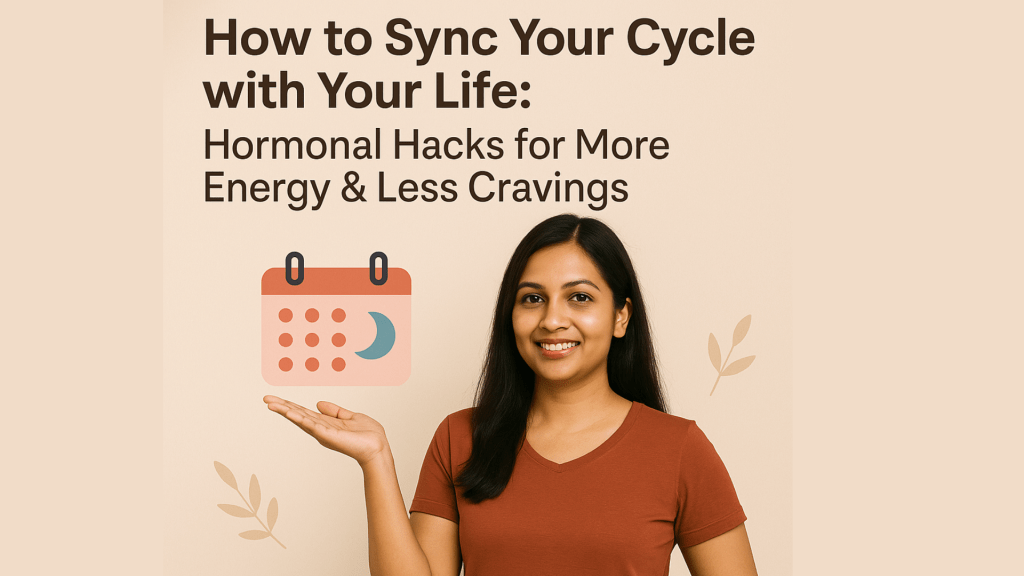
  • How to Sync Your Cycle with Your Life: Hormonal Hacks for More Energy & Less Cravings

    Ladies, have you ever wondered why some weeks you feel energetic and focused, and other weeks you’re just drained, craving sweets, and feeling “off”?

    Let me tell you—it’s not in your head. It’s in your hormones.
    And once you learn to sync your cycle with your life, you can stop fighting your body and start flowing with it.

    I’m Health Coach Versha Raghav, and I’ve helped hundreds of women balance their hormones naturally. One powerful way? Learning to sync your lifestyle, food, and exercise with your menstrual cycle.


    🌸 First, Know Your 4 Phases

    Your menstrual cycle is like nature—it moves in seasons, each with its own energy. Understanding this is step one to reclaiming your health and peace of mind.


    1. Menstrual Phase (Day 1–5)

    Your body is releasing. Hormones are at their lowest.

    • 🥣 Eat: Warm, iron-rich foods like khichdi, soups, dates, and jaggery.
    • 🌱 Seed Cycling: 1 tbsp Flax seeds + 1 tbsp Pumpkin seeds (ground) – support estrogen building for next phase.
    • 🧘‍♀️ Exercise: Gentle yoga, deep breathing, or light walks. Rest is healing here.
    • 💫 Mood Hack: Give yourself permission to slow down. Journaling or spiritual practices feel grounding now.

    2. Follicular Phase (Day 6–13)

    Estrogen rises. You start feeling lighter, sharper, and more motivated.

    • 🥗 Eat: Sprouts, greens, light dals, and seasonal fruits. Your digestion is strong now.
    • 🌱 Seed Cycling: Continue Flax + Pumpkin seeds. They help balance estrogen levels.
    • 🏃‍♀️ Exercise: Cardio, brisk walking, cycling—your body is ready for more intensity.
    • 🔥 Energy Boost: Try learning something new or starting creative projects—your brain loves it!

    3. Ovulation Phase (Day 14–16)

    Peak energy, confidence, and communication!

    • 🥦 Eat: Antioxidant-rich foods like berries, paneer, quinoa, and fresh salads.
    • 🌱 Seed Cycling: Shift to Sunflower + Sesame seeds (1 tbsp each, ground) to support progesterone.
    • 🏋️‍♀️ Exercise: HIIT, dance, group workouts—go bold! You’re at your strongest.
    • 💃 Social Sync: Schedule important meetings, dates, or public events—you’ll shine naturally.

    4. Luteal Phase (Day 17–28)

    Progesterone rises. You may feel bloated, moody, or crave sweets.

    • 🍠 Eat: Complex carbs like sweet potato, rajgira, millets, and magnesium-rich foods like banana, nuts.
    • 🌱 Seed Cycling: Continue Sunflower + Sesame seeds—they reduce PMS and inflammation.
    • 🧘‍♀️ Exercise: Slow strength training, stretching, or Pilates. Listen to your body’s signals.
    • 💕 Self-Care Tip: Rest more. Say no more. Give yourself grace. You’re not “lazy”—you’re cycling.

    Why This Works

    Your body is always talking to you—through cravings, fatigue, emotions. When you honor these natural rhythms, you stop punishing yourself and start healing.

    Seed cycling gently supports your hormones with nature’s own medicine.
    Cycle-based workouts help you stay fit without burnout.
    And syncing your schedule means no more guilt for not “doing enough.”


    Final Thought: Your Cycle Is Not a Curse—It’s a Compass

    Most women are taught to ignore their cycle or fight it. But you’re not meant to run like a machine.
    You’re meant to flow like a force of nature.

    When you live in sync, you don’t just balance hormones—you awaken your power.


    Need help creating a hormone-happy lifestyle?
    Let’s talk. I’ll help you create a personalized wellness plan with food, habits, workouts, and cycle-syncing magic.

    With you in every phase,
    Health Coach Versha Raghav
    Certified Health Coach | Hormonal Wellness & PCOD Specialist

  • 7 Gut-Boosting Secrets Your Doctor Isn’t Telling You (But Health Coach Will!)

    You’ve tried every fad diet under the sun, yet you still feel bloated, sluggish, and achy. What if the missing link isn’t another gimmick shake—but the trillions of microbes living in your gut? Welcome to the new era of holistic wellness, where a happy gut equals a happy you. Here are seven easy, science‑backed secrets that Health Coach Versha Raghav swears by to reboot your gut health—and your life.

    1. Start Your Day with Warm Lemon Water + Collagen
      Before coffee, sip a tall glass of warm lemon water spiked with a scoop of collagen peptides. This duo kick‑starts digestion, supports your gut lining, and primes your body for nutrient absorption.
    2. Eat the Rainbow—Fermented Style
      Aim for 5–7 colors on your plate daily and include at least one fermented food: kimchi, kefir, sauerkraut, or natto. Diverse plant fibers feed different strains of beneficial bacteria, while fermented foods introduce live cultures straight to your microbiome.
    3. Pre‑ and Pro‑biotics: The Dynamic Duo
      Supplements can bridge dietary gaps. Choose a broad‑spectrum probiotic (20+ billion CFU) and pair it with a prebiotic like inulin or potato starch. Versha’s tip: take them at different times—probiotics in the morning, prebiotics at night—for maximum effect.
    4. Chew Your Food—Seriously
      Digestion begins in the mouth. Aim for 20–30 chews per bite, especially for protein and fibrous veggies. More breakdown means less work for your gut and fewer gas‑and‑bloat episodes later.
    5. Ditch the Late‑Night Screen Time
      Blue light disrupts circadian rhythms—and your gut clock. Aim to power down devices at least 60 minutes before bed and replace scrolling with gentle stretches or journaling.
    6. Hydration, But Not During Meals
      Water is vital—but too much at mealtime dilutes digestive enzymes. Sip most of your fluids between meals, and if you need a drink with food, stick to small sips.
    7. Move in Minutes
      You don’t need a two‑hour gym session. A 5‑minute walk after meals improves motility, blood flow, and nutrient shuttling. Versha’s favorite: a brisk post‑lunch stroll around the block.

    By weaving these seven secrets into your daily routine, you’ll feel the difference in energy, mood, and even your waistline—without deprivation or complicated protocols. Ready for a gut makeover? Health Coach Versha Raghav is here to guide you, personalize your plan, and celebrate every win along the way. Your healthiest self is just a few habits away!